The Indiana Garden Calendar: What to Sow, Prune, and Harvest
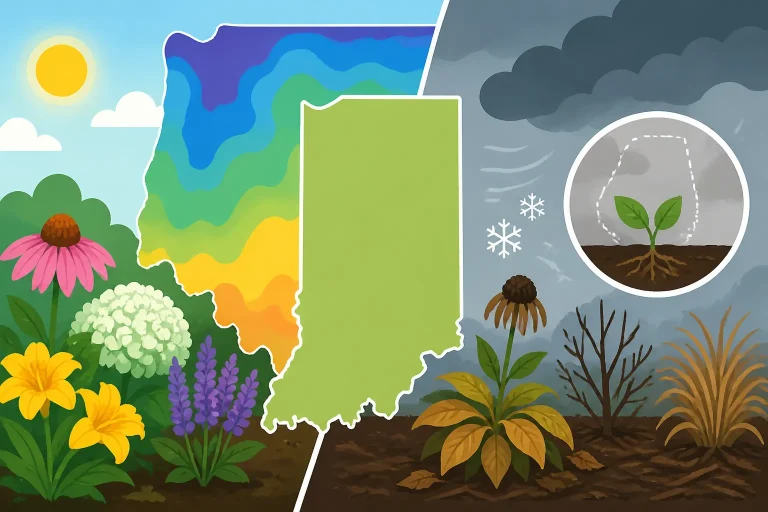
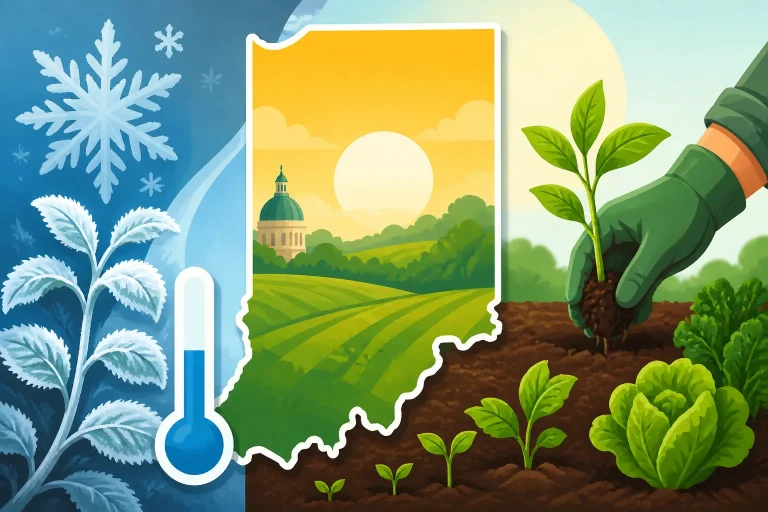
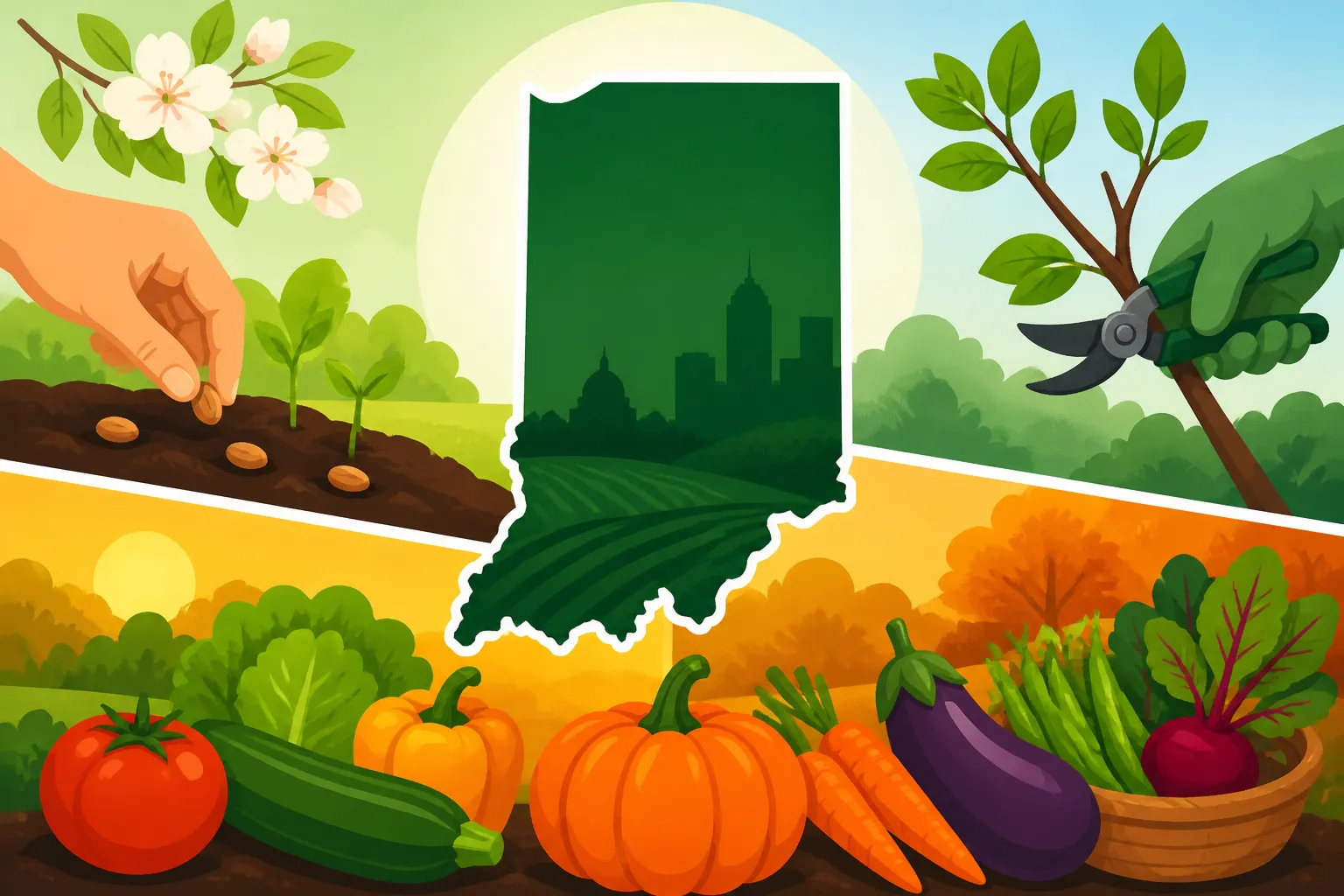
Indiana’s gardening calendar is not one set of dates: spring warms at different speeds across the state, and a sunny garden can behave differently from a low, damp yard nearby. This calendar lays out what to sow, prune, and harvest through the seasons, with practical cues for adjusting the work to your region, soil, and weather.
Build your calendar around local conditions
A useful Indiana garden calendar is a sequence of decisions, not a list of dates to follow no matter what. Frost risk, soil temperature, moisture, crop maturity, and the conditions of your particular site all affect when a task makes sense.
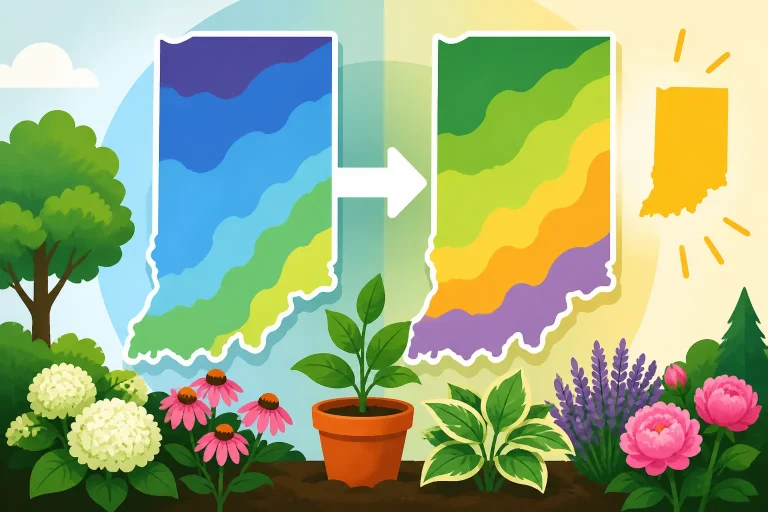
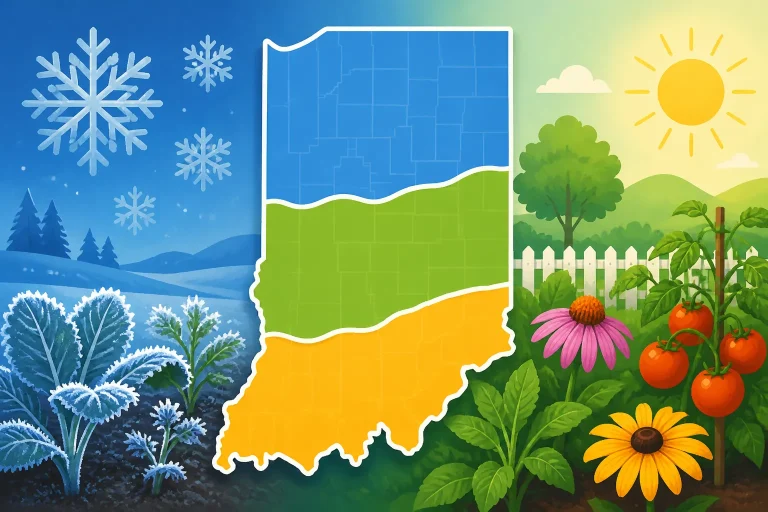
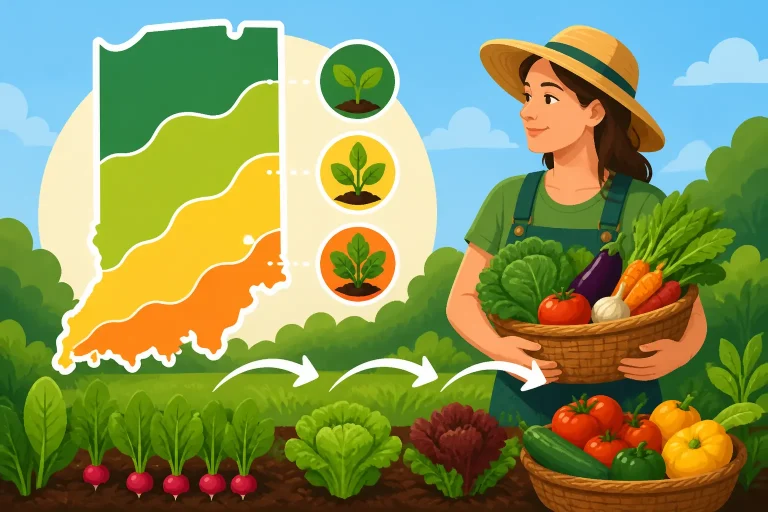
Northern Indiana generally moves into spring later than southern Indiana, and central Indiana falls between those broad patterns. Even within one town, a raised bed in full sun may warm sooner than heavy, wet ground or a low spot where cold air settles. Lake influence can also affect nearby gardens. These differences are why a calendar should help you identify a planting window rather than promise a safe day.
Use frost dates as probabilities
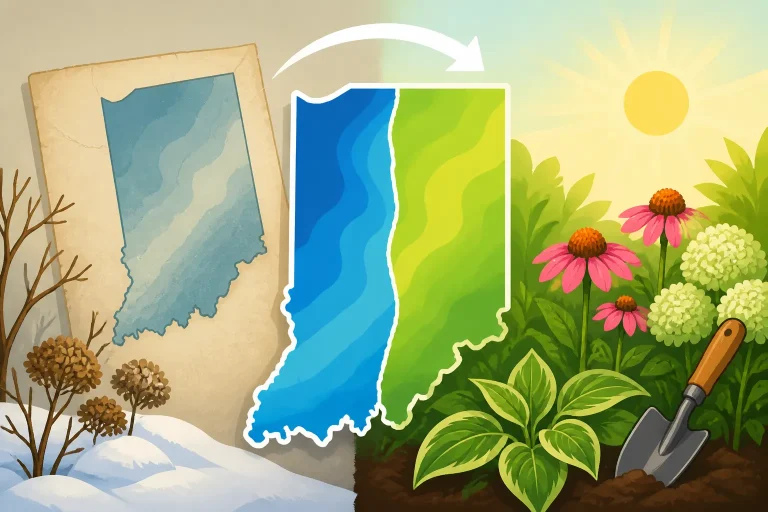
Average frost dates describe past patterns; they do not guarantee what will happen in a particular year. A date with a 50% or 90% probability of frost is a statistical estimate, not a fixed deadline. The probability, weather station, and period used matter, so check the details when comparing local estimates. For regional context, see Indiana Regional Frost Dates: North, Central, and South Guides and How Freeze Date Probabilities Change Spring Planting Schedules.
For planning, distinguish between:
- Cool-season crops, such as peas, spinach, radishes, and many leafy greens, which tolerate cooler conditions better than warm-season crops.
- Warm-season crops, such as tomatoes, peppers, cucumbers, beans, and squash, which need warmer air and soil and can be damaged by frost or chilly conditions.
- Perennial plants, including fruit trees and established flowers, whose growth follows seasonal cues but can still be affected by late freezes.
The last expected spring frost is one useful reference, especially for tender vegetables, but it is not the only one. Soil that is too cold or saturated can delay seed germination and stress transplants even after the air feels comfortable. A short warm spell does not necessarily mean the season has settled into warm weather.
Watch soil as well as the forecast
Before sowing, check whether the bed is workable. A handful of soil should crumble rather than smear into a dense, sticky mass. Working wet soil can compact it, leaving clods that are difficult for small seedlings to push through. For a closer look at readiness, see Checking Soil Crumb Readiness Before Sowing Spring Crops.
For heat-loving crops, soil warmth matters too. A seed can sit in cold, wet ground without germinating promptly, while a tender transplant can struggle when its roots are chilled. Use a soil thermometer if you want a direct reading, and compare it with the needs of the crop rather than relying on a warm afternoon. How Soil Temperature Changes Your Spring Planting Schedule and Using Soil Thermometers to Time Indiana Vegetable Planting explain how to make that check useful.
Keep a record of your own garden
A notebook or simple calendar can turn broad statewide guidance into a plan that fits your yard. Record when you sowed, what emerged, when flowers or fruit appeared, and whether a bed stayed wet or dried quickly. Note the location of frost damage, heat stress, pest problems, and unusually early or late harvests.
After a few seasons, those observations help you adjust. You may find that a sunny bed consistently warms before another, or that a crop planted in the middle of its suggested window has a more dependable start than one planted at the first opportunity. Your records are a guide, not a reason to ignore unusual weather.
Winter: plan beds, seeds, and pruning
Winter is a good time to make decisions that are harder to manage once planting and harvesting are competing for attention. Use it to review last season, choose crops, check seed supplies, and plan a practical layout.
Map the growing space
Start with sunlight, access to water, and drainage. Most fruiting vegetables need a bright location, while some leafy crops tolerate partial shade. Pay attention to where buildings, fences, and trees cast shade as the season changes. A bed that looks sunny in early spring may receive less direct light after trees leaf out.
Think about crop height and access, too. Put taller plants where they will not block sunlight from shorter crops, and leave paths wide enough for watering, harvesting, and moving a wheelbarrow. Avoid crowding crops simply because the seed packet makes a small plant look manageable; plants need room for airflow and mature growth.
If you are deciding between a raised bed and an in-ground plot, compare drainage, soil condition, cost, and how often you can water. Raised beds can warm earlier, but they may also dry faster in summer. Raised Beds vs In-Ground Gardening in Indiana Soils offers more detail on the trade-offs.
Choose crops and sowing methods
Select crops that suit your available space and the time you can give them. A small garden may do better with a few productive crops, such as tomatoes, beans, or summer squash, than with a long list that creates more harvest than the household can use. If you want a steady supply of greens or beans, plan successive sowings rather than planting every seed at once. See Using Indiana Planting Ranges to Plan Successive Garden Harvests.
Decide which crops you will sow directly outdoors and which you will start indoors. Direct sowing avoids transplant work, but some crops benefit from an earlier indoor start. Indoor seedlings need adequate light, suitable temperatures, and a gradual transition outdoors. Starting too early can produce large, weak plants that are difficult to keep healthy before the garden is ready. Indoor Seed Starting Timelines for Indiana Gardeners and Direct Sowing vs. Transplanting: Making the Call in Indiana help match the method to the crop.
Review seed packets before buying or sowing. Check the crop’s days to maturity, recommended sowing depth, spacing, and any guidance about starting indoors. If you use Botanical Interests seeds, as with seeds from any supplier, follow the packet instructions for the particular crop and variety. The calendar helps with the timing; the packet helps with the seed-specific details.
Prune selectively in the dormant season
Late winter is a common time to assess many deciduous trees and shrubs while their structure is visible, but not every plant should be pruned at the same time. Spring-flowering shrubs often form flower buds before winter; pruning them before bloom can remove the coming season’s flowers. Prune those after they finish flowering, unless a specific plant problem calls for a different approach.
For fruit trees, pruning goals include maintaining a manageable structure, removing damaged or crossing branches, and supporting healthy growth. Avoid making large cuts without a clear reason, and learn the needs of the particular tree before pruning. What to Prune in Late Winter vs. After Spring Bloom in Indiana and Pruning Fruit Trees in Late Winter to Protect Blossom Buds cover the timing distinction.
Winter is also a good time to clean and inspect tools. Sharp, clean pruning tools make more controlled cuts than dull ones. If you are unsure how a shrub flowers or whether a branch is dead, wait until you can identify the plant and its growth pattern rather than cutting heavily by guesswork.
Early spring: prepare beds and sow cool-season crops
Early spring work begins when the soil and weather allow, not simply when the calendar turns. Some cool-season crops can go in while nights remain chilly, but wet ground and sharp temperature swings can still make establishment difficult.
Prepare the bed without working it wet
Remove large debris and perennial weeds, then check soil moisture before digging or cultivating. If the ground sticks to tools and forms shiny clumps, wait for it to dry. If the bed needs organic matter or structural improvement, plan those changes before planting rather than trying to correct every soil problem during a narrow sowing window. Improving Poor Indiana Soil: Amendments, Drainage, and Bed Prep discusses common approaches.
Avoid assuming every bed needs the same amendment. Soil condition varies across a yard, and unnecessary additions can create new problems. If you are uncertain about pH or nutrient needs, consider a soil test through an appropriate lab before applying lime or fertilizer. Follow the product label for any fertilizer used.
Sow hardy crops when conditions fit
Peas, spinach, radishes, and other cool-season crops are often among the first vegetables sown outdoors. The exact timing depends on the crop, local conditions, and whether the soil is workable. Some crops are generally sown directly; others can be started indoors and transplanted. Check the crop-specific guidance in The Indiana Vegetable Planting Schedule: Purdue Extension Timelines and When to Sow Cool-Season Vegetables in Indiana Spring Soil.
A planting window is not an instruction to sow every crop on the first possible day. If the soil is cold and saturated, waiting can be wiser than putting seed into conditions that slow germination. If the soil is ready but a cold spell is forecast, hardy crops may tolerate the conditions better than tender transplants. For a crop-by-crop comparison, see Hardy Vegetables to Plant Weeks Before the Last Indiana Frost.
Start and harden off transplants
Indoor seedlings need steady light and appropriate growing conditions. When plants are ready to move outside, harden them off by exposing them gradually to outdoor conditions. A sudden move from a sheltered indoor space to bright sun, wind, and cool nights can cause stress even if the air temperature seems mild.
Harden off before planting out, and delay the move if the forecast calls for conditions the seedlings cannot handle. When to Sow Indoors and Harden Off Plants Across Indiana and Hardening Off Indiana Transplants: Two-Week Outdoor Timelines explain how to make the transition more gradual.
Stay flexible during spring swings
Indiana spring weather can shift from warm afternoons to cold nights. Track the forecast for your garden area, but remember that a forecast is not a guarantee and the temperature in a low garden spot can differ from a nearby station. Keep row covers or other suitable protection available for vulnerable crops, and secure covers so wind does not damage plants.
Protection has limits. Covering a warm-season transplant does not make cold soil warm, and a cover that traps heat on a sunny day may need attention. For practical options and their trade-offs, see Spring Frost Protection Strategies for Indiana Fruit and Vegetables and Protecting Tender Seedlings from Cold Winds and Nighttime Chills.
Late spring and summer: move into warm-season crops
As the soil warms and frost risk declines, the garden shifts from hardy spring crops toward heat-loving vegetables. The transition should still be crop-specific. Beans, tomatoes, peppers, cucumbers, melons, squash, and other warm-season plants do not all have identical needs.
Set out tender crops when their conditions are ready
Wait until local frost risk, air temperatures, and soil conditions suit the crop. Tomatoes and peppers can be set out as transplants, while beans and many cucurbits are often sown directly. A warm afternoon can be misleading if nights remain cold or the soil is still chilled.
Use the crop’s recommended planting range and local conditions together. The best timing for a garden in northern Indiana may differ from a garden farther south, and even a single region can have meaningful site differences. The crop pages When to Plant Tomatoes Outdoors Across Indiana Regions, When to Plant Cucumbers, Melons, and Summer Squash in Indiana, and When to Plant Sweet Corn and Beans Outdoors in Indiana provide more focused timing guidance.
Water in a way that reaches the roots
New transplants and newly sown beds need attention while they establish. Water thoroughly enough to moisten the root zone, then check the soil rather than watering by the clock alone. Frequent light sprinkling may keep the surface damp without encouraging deeper roots. In heavy clay, water may soak in slowly or run off if applied too quickly.
Raised beds, containers, and exposed sites can dry faster than in-ground beds. A hot, windy stretch can change the garden’s water needs quickly, so check soil moisture more often during those conditions. How Often to Water Indiana Gardens: Deep Soaks vs Daily Sprinkles and Watering Indiana Clay Gardens: Slow Soaking and Runoff Prevention offer more specific guidance.
Mulch can reduce evaporation and suppress weeds once the soil is warm enough for the crop. Keep it from piling against plant stems, and adjust the amount and timing to the bed’s conditions. Mulch applied too early can slow warming in cool spring soil; applied appropriately, it can make summer moisture management easier.
Keep up with weeds, supports, and succession
Small weeds are easier to remove than established ones. Shallow cultivation or hand pulling can protect crop roots better than deep, frequent disturbance. Check plants regularly for signs of crowding, broken stems, and support needs. Tall or heavy crops may benefit from staking, cages, or trellises suited to their growth habit.
Once early crops are harvested, decide whether the bed can support another planting. Spring greens and peas may leave space for a summer or fall crop, but the remaining growing season and the crop’s days to maturity matter. Avoid sowing a crop simply because an empty bed looks available; consider whether it has enough time to mature and whether the bed needs a break or soil care first.
Watch for heat and weather stress
Plants may wilt during a hot afternoon and recover when conditions cool, but persistent wilting can signal dry soil or root stress. Check moisture at root depth before adding water. Yellowing, leaf spots, poor fruit set, and stalled growth can have more than one cause, so examine the whole plant and its growing conditions before treating it.
Do not assume a pest or disease requires a pesticide. Identify the problem first, consider cultural steps such as removing affected plant material or improving airflow, and consult reliable local guidance when needed. If a pesticide is used, follow its label, which is the legal instruction for use.
Late summer and fall: sow for a second season
A fall garden can provide greens and other crops after summer vegetables slow down, but the window is shorter and often less forgiving. Start with the expected harvest period and work backward, allowing for germination, plant growth, and the possibility of slower growth as days shorten.
Choose crops that fit the remaining season
Some crops mature more quickly than others, and some handle cool weather better. Read the seed packet’s maturity information and compare it with the time remaining before cold conditions are likely. A crop that needs a long growing period may not be a good choice for a late sowing, while greens and radishes may be more practical.
Late-summer heat can make germination difficult, especially near the soil surface. Keep newly sown beds evenly moist while seeds germinate, and provide temporary shade if needed to prevent the surface from drying quickly. Once seedlings are established, keep watering according to actual soil moisture rather than a fixed schedule. For timing and crop choices, see When to Plant Fall Vegetables in Indiana for Late-Season Harvest and Planning an Indiana Fall Vegetable Garden: Purdue Sowing Dates.
Start transplants in time
Some fall crops are easier to establish as transplants than as direct-sown seed in hot, dry beds. Indoor or sheltered starts need time to grow before planting, but starting too early can make them overgrown or difficult to manage. Match the indoor-starting period to the crop and planting window, then harden the seedlings off before moving them outdoors.
Watering is especially important during late-summer establishment. Newly transplanted seedlings have limited roots and can dry out quickly in heat. Shade during the most intense sun can help them settle in, but remove or adjust it as plants recover and conditions change. How Far Ahead to Start Fall Vegetable Seeds Indoors and Late-July Transplanting Windows for Indiana Fall Garden Crops provide more focused guidance.
Extend the harvest without overpromising
Light covers can help protect some crops from chilly nights, but they are not a substitute for choosing crops suited to the season. Watch forecasts and inspect plants after cold weather. A light frost and a hard freeze have different effects, and the outcome varies by crop, exposure, and duration of cold. Light Frost vs. Hard Freeze: What Temperature Damages Indiana Crops? explains that distinction.
Harvest tender crops before damaging cold when practical. Some hardy vegetables may continue producing after a light frost, while others should be picked or protected earlier. Use the crop’s condition and the forecast rather than assuming every vegetable responds the same way. See Vegetables That Keep Producing After the First Indiana Frost and What to Pick or Protect in Indiana Gardens Before the First Freeze.
Once beds are finished, remove diseased plant material and decide whether to mulch, plant a cover crop, or leave the ground protected in another way. Do not put diseased or pest-infested plants into a compost pile unless the pile is managed to handle them. A tidy end-of-season cleanup can reduce problems, but leaving healthy stems or seed heads may benefit wildlife in ornamental areas; consider the purpose of each bed before cutting everything back.
Pruning, harvesting, and seasonal upkeep
Pruning and harvesting are not isolated jobs. Both depend on recognizing what a plant is doing and responding at the right stage, rather than following a date without checking the plant.
Prune according to flowering and growth
For shrubs and perennials, identify whether the plant flowers on old or new growth before pruning. Spring bloomers often set buds before the growing season; pruning before flowering can remove those buds. Summer bloomers may follow a different pattern. When identification is uncertain, use a plant-specific reference or wait until the flowering cycle makes the pattern clearer.
Remove dead, damaged, or diseased growth when appropriate, but avoid routine heavy pruning just to make every plant look uniform. Excessive cutting can remove flowers, expose stems, or stimulate growth at an unhelpful time. For trees and shrubs, use clean, sharp tools and make cuts that suit the plant’s structure. The reference What to Prune in Late Winter vs. After Spring Bloom in Indiana is useful when planning ornamental pruning.
Harvest for quality and continued production
Harvesting at the right stage improves eating quality and can encourage continued production in some crops. Check plants often once fruit begins to mature; leaving ripe vegetables in place can mean missed harvests or declining quality. Different crops signal readiness in different ways: size, firmness, color, or the ease with which a fruit separates from the plant.
For leafy vegetables, harvest leaves in a way that leaves enough growth for the plant to continue, where that suits the crop. For summer squash, smaller fruits are often more tender than oversized ones. For tomatoes, look for ripeness appropriate to the variety and intended use. A crop’s appearance can vary, so the seed packet or crop-specific advice is more useful than a single color rule.
Use clean containers and handle produce gently. Keep harvested vegetables out of direct sun, and cool them promptly when the crop benefits from cooling. If you cannot use the harvest immediately, plan preservation or sharing before peak production. Garden planning that considers household use can prevent a surplus from becoming waste.
Make cleanup and soil care part of the calendar
After harvest, remove spent plants that are no longer productive and inspect the bed for weeds and disease. Add finished compost or other amendments only when they suit the bed’s needs. Avoid treating fertilizer as a universal end-of-season task; crop needs, soil conditions, and product instructions all matter. For broader planning on soil care, see Managing Soil Nutrients, Soil Tests, and Composting in Indiana.
Keep paths and beds accessible, and store tools dry and clean. If you grow perennials or fruit plants, continue to monitor moisture during dry autumn weather. Plants still need water while actively growing, even as temperatures cool. Do not assume that rainfall has been sufficient; check the soil.
A flexible Indiana garden calendar at a glance
Use this table as a seasonal checklist, not a set of guaranteed dates. Conditions vary across Indiana and from one year to another. When in doubt, use the crop’s own guidance and check local frost probabilities and soil conditions.
| Season or period | What to sow or plant | Pruning and bed work | Harvest focus |
|---|---|---|---|
| Winter | Plan crops, order or check seeds, start suitable crops indoors according to their needs | Review garden layout; identify pruning priorities; clean tools | Use stored produce and review last season’s notes |
| Early spring | Sow hardy cool-season crops when soil is workable; begin suitable indoor starts | Prepare beds only when soil is not wet; remove debris and perennial weeds | Pick overwintered or early greens if present |
| Mid to late spring | Continue cool-season sowing; move hardened-off plants when conditions fit; plant warm-season crops only when ready | Prune spring-flowering shrubs after bloom; install supports before plants become difficult to handle | Harvest early greens, radishes, and other ready crops |
| Summer | Sow successive crops or fall crops only when the remaining season allows | Weed shallowly, mulch after soil warms, water according to root-zone moisture | Pick vegetables frequently as they reach the right stage |
| Late summer | Sow or transplant selected fall crops; keep new seedbeds moist during establishment | Remove finished crops; prepare beds for the next planting | Harvest summer vegetables and begin fall greens as they mature |
| Autumn | Plant only crops with a suitable remaining growing window | Clear diseased material; protect soil and tidy tools | Pick tender crops before damaging cold; continue hardy crops as conditions allow |
For a crop-by-crop schedule, compare The Indiana Vegetable Planting Schedule: Purdue Extension Timelines with When Can You Plant Garden Crops in Your Indiana County?. A county timeline is a starting point; your garden’s soil, exposure, and current weather still determine whether a particular day is suitable.
Frequently Asked Questions
Can I use the same planting dates across all of Indiana?
Use the same general crop sequence, but not necessarily the same dates. Northern, central, and southern Indiana can warm at different rates, and conditions within a region vary by site. Use regional timing as a starting point and adjust to local frost risk and soil readiness.
Should I plant warm-season vegetables after the last spring frost?
The last spring frost is an important guide, but it is not the only condition to check. Warm-season crops also need suitable soil and nighttime temperatures. A frost-free forecast does not mean cold, wet soil is ready for every crop.
Is a warm spell a good reason to start planting?
Not by itself. Warm spells can be followed by cold nights, and soil may remain colder than the air. Check the crop’s needs, soil moisture and temperature, and the forecast before sowing or transplanting.
When should I prune spring-flowering shrubs?
Many spring-flowering shrubs should be pruned after they finish flowering, because cutting earlier can remove buds. Confirm the timing for the particular plant, since pruning needs differ by species and growth habit.
How can I keep the garden producing longer?
Choose crops that suit the remaining season, sow successive plantings when appropriate, and harvest frequently. Fall covers may protect some crops from chilly nights, but they cannot make every crop tolerate a hard freeze.
Disclaimer
This article is for general informational purposes only and does not constitute professional advice. Laws, prices and regulations vary by location and change over time. Consult a qualified professional for guidance on your specific situation. Indiana Gardening Guide is not a government agency and is not affiliated with any university extension, state department of agriculture or other government agency.